


La bibliothèque numérique des universités publiques du Sénégal

Auteur(s): Grisham, Leah
Editeur: Vernon Press
Année de Publication: 2023
pages: 218
ISBN: 978-1-64889-734-4
eISBN: 978-1-64889-781-8
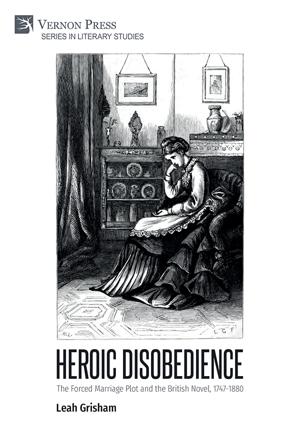
Heroic Disobedience: The Forced Marriage Plot and the British Novel, 1747-1880' shows the ways in which eighteenth- and nineteenth-century novels used what the author terms the forced marriage plot - a plot arc in which a greedy father tries to force his daughter into a marriage she does not want but that would be financially expedient to himself - to explore capitalism’s detrimental impacts on women’s right to autonomy. As capitalist economic practices replaced mercantilism, a woman’s value was seen primarily in the economic sense. That is, men came to recognize that women – especially young, marriageable women – could be used as objects of exchange between men. Recognizing this phenomenon, the novelists considered in 'Heroic Disobedience' – Samuel Richardson, Charlotte Lennox, Mary Robinson, Charlotte Smith, Jane Austen, Charles Dickens, Elizabeth Stone, and Anthony Trollope – depict the very specific ways in which women were raised to become willing pawns in this system. Religious discourse, conduct guides, marriage and property laws, wages, lack of meaningful education, and inheritance practices combined to leave women with no other options besides dependence on their patriarchs. Importantly, authors who use the forced marriage plot go beyond exposing women’s subjugation by creating – and celebrating – heroically disobedient heroines who believe, above all else, that they have the right to determine their own futures: futures in which they are autonomous agents, not subjected objects.





